Our mission
The Mulanje Landscape Restoration Project is a collaborative initiative between the Greenpop Foundation and Mulanje Mission Hospital that utilizes a Forest Landscape Restoration (FLR) approach to regain ecological functionality and enhance human well-being in the Mulanje District of Malawi. Our mission is to address the drivers of forest loss—such as fuelwood harvesting and unsustainable agricultural practices—by building social, ecological, and economic resilience in vulnerable communities.
Core Activities include:
- Active & Assisted Restoration: Implementing enrichment tree planting with indigenous species, bamboo planting for sustainable resources, and assisted natural regeneration (ANR) to restore forest connectivity.
- Catchment Management: Protecting critical water sources through riverbank stabilization using vetiver grass and implementing soil conservation measures to reduce erosion.
- Sustainable Livelihoods: Empowering over 1,000 households through "Model Village" programs, which include training in community-based natural resource management, beekeeping, and the use of improved cookstove technology.
- Economic Incentives: Promoting crop diversification and soil health by providing cash crop seeds (such as bird’s eye chillies and sesame) and organic fertilizer starter kits to small-scale farmers.
- Stakeholder Engagement: Ensuring long-term project sustainability through the maintenance of community-run nurseries and the active inclusion of women in decision-making committees.
Funding campaign*
Yes | https://greenpop.org/donate/Classification
- Farmlands
- Forests
- Grasslands, shrublands and savannahs
- Increases Health & Wellbeing
- Mitigates Climate Change
- Protects Freshwaters
- Reduces Disaster Risks
- Safeguards Biodiversity
- Supports Livelihoods
4
Employees1000
VolunteersImpact
Trees planted: 35,500
Species planted: 7
Communities engaged: 13
The Mulanje Landscape Restoration Project addresses the triple planetary crisis by integrating ecological recovery with social resilience. Since 2019, the initiative has transitioned from active planting to a holistic Forest Landscape Restoration (FLR) model.
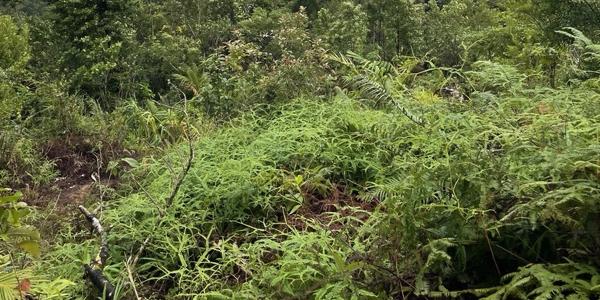
Environmental Impact & Nature Loss: To date, the project has planted over 35,500 trees (including 4,500 in 2024) and 1,000 bamboo plants, covering 30.2 hectares of restored land. By focusing on Assisted Natural Regeneration (ANR) and enrichment planting with indigenous species, we have restored forest connectivity and biodiversity. At sites like Mlatho Hills and Mwanamvula, stabilized riverbanks using 6 tonnes of vetiver grass have reduced soil erosion, protected water tables, and improved water quality for downstream users. The return of wildlife and the flourishing of miombo woodlands signify a reversal of local nature loss.
Social & Economic Dimensions: The project has empowered over 1,000 households across 13 communities. In 2024, we shifted toward "non-monetary incentives," providing small-scale farmers with starter kits for bird’s eye chillies, sesame, and soybean. These cash crops, combined with training in organic fertilizers, have boosted food security and diversified income. Our beekeeping and tree nursery programs continue to provide sustainable livelihoods, with communities managing their own profits through dedicated bank accounts.
Climate Change & Pollution: The project contributes to climate mitigation through carbon sequestration in growing forest biomass and soil. To address local drivers of deforestation (pollution from wood-smoke), we have implemented improved cookstove technology, reducing the demand for fuelwood.
Mindset & Governance: A critical impact is the shift in community perspective—prioritizing long-term conservation over short-term extraction. Through Village Natural Resources Management Committees (VNRMCs), communities now